










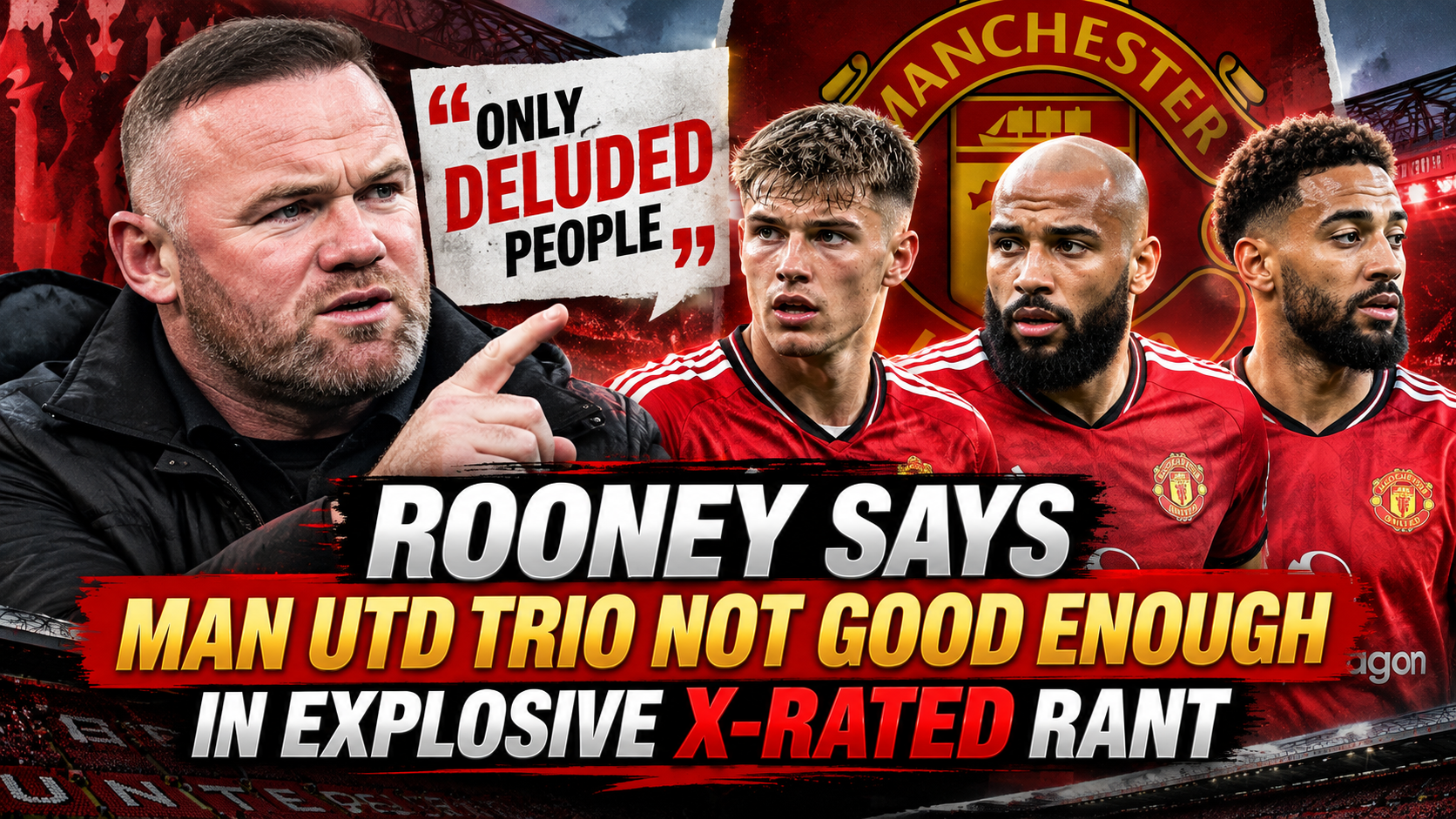
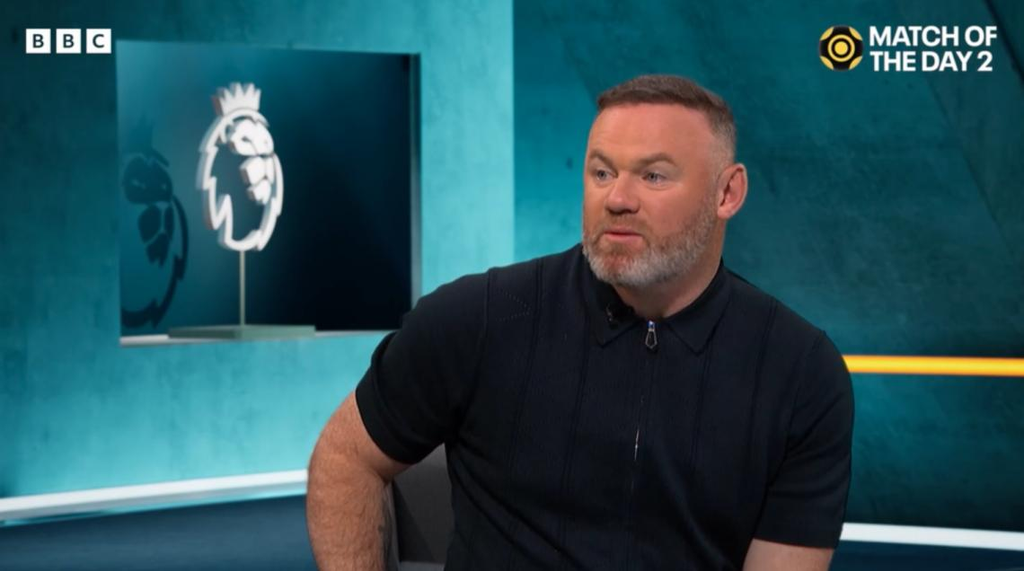
Wayne Rooney has delivered a brutal assessment of Manchester United’s attacking rebuild, warning that anyone who believes the club’s current forward line is good enough to challenge for major honours is living in a fantasy.
The former United captain criticised the club’s recruitment strategy and questioned whether Benjamin Sesko, Bryan Mbeumo and Matheus Cunha possess the quality required to take the Red Devils to the next level. His comments have intensified the debate surrounding United’s squad, their long-term ambitions and the direction of the club under head coach Michael Carrick.
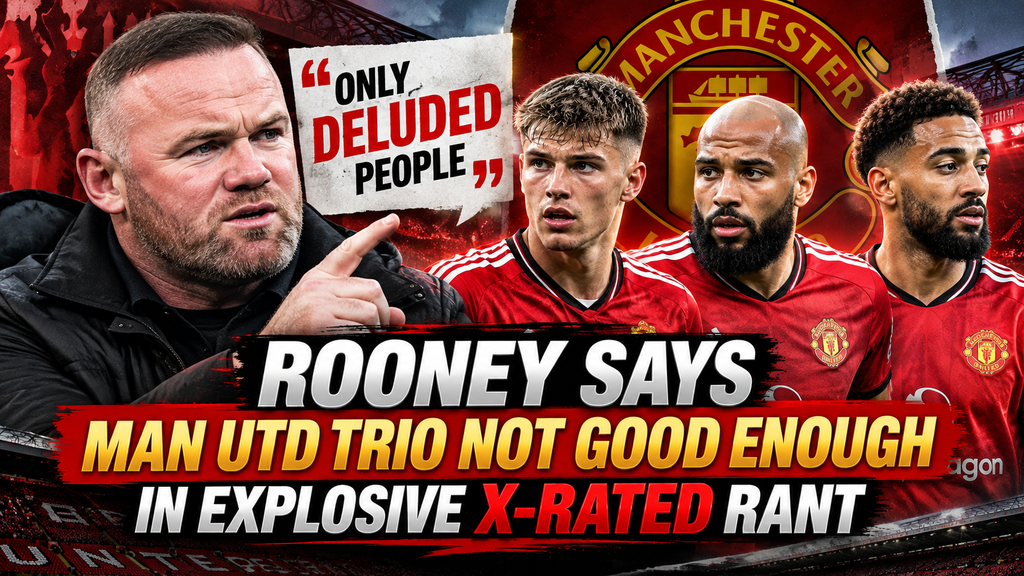
Speaking on The Overlap’s Stick to Football podcast, Rooney argued that signing established Premier League players does not automatically make a team capable of competing for the title or securing sustained success in the Champions League.
His frustration comes amid another difficult period for United, whose disappointing performances have raised questions about both the players and the club’s decision-makers.
For Cambodian football fans following the Premier League, Rooney’s comments offer a revealing look at the problems facing one of England’s most famous clubs.
Wayne Rooney Questions Manchester United’s Attacking Quality
Rooney did not hold back when assessing United’s new-look forward line. The former England international believes the club’s recruitment team must look beyond signing players who have already demonstrated their abilities at other Premier League clubs.
The trio of Sesko, Mbeumo and Cunha arrived with different strengths and expectations. However, Rooney believes that their individual qualities do not necessarily mean they can collectively lead Manchester United back to the top of English football.
“They’re deluded if they think the front three that they’ve brought in are good enough; they’re not,” Rooney said, delivering a direct verdict on the attacking rebuild.
His criticism was not simply about individual performances. Instead, it reflected a wider concern that United have recruited players without sufficiently addressing the gap between their current squad and the standards required to challenge for the biggest trophies.
Rooney acknowledged that players can perform well at clubs such as Brentford and Wolverhampton Wanderers but face a different level of expectation when they move to Old Trafford.
The challenge is not only to maintain previous form. New arrivals must also adapt to a club where every disappointing result generates intense scrutiny from supporters and the media.
Why Rooney Is Concerned About the Front Three
Rooney’s assessment centres on the difference between improving a team and building a genuine title contender.
A successful Premier League side needs more than three talented attackers. Its forwards must complement one another, create opportunities consistently, contribute without possession and deliver decisive performances against strong opposition.
United must also ensure that their attacking players fit the tactical system used by the manager. A forward who thrives in one role at his previous club may struggle if asked to perform different responsibilities at Old Trafford.
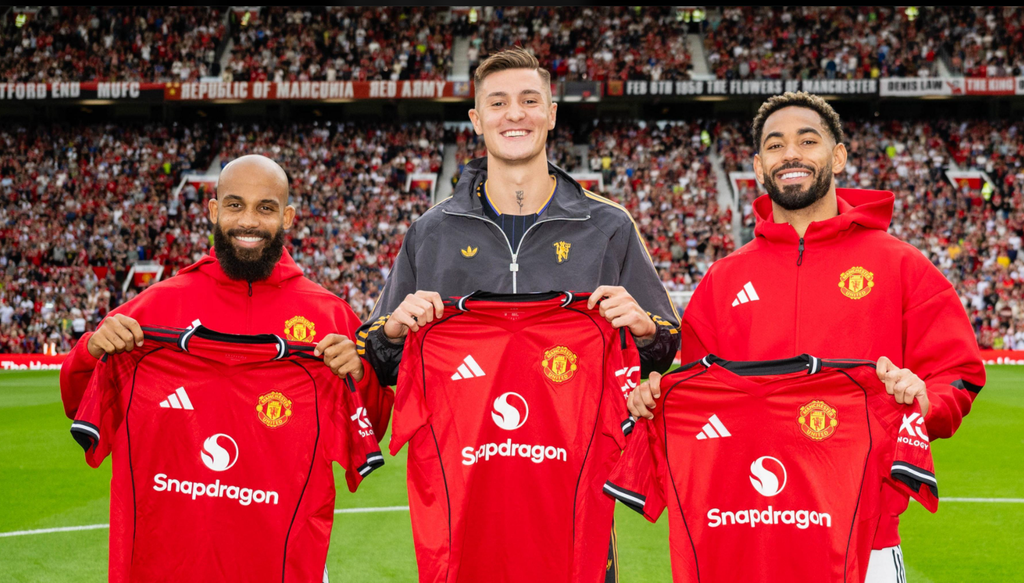
Benjamin Sesko, Bryan Mbeumo and Matheus Cunha Face the Pressure
United’s attacking trio arrived with expectations that they could improve the team’s goalscoring threat and provide greater depth in the final third.
Mbeumo brought experience from Brentford, where his direct running, movement and finishing made him an influential attacking player. Cunha had established himself as a dangerous forward during his time at Wolverhampton Wanderers, combining dribbling ability with creativity and a willingness to take on defenders.
Sesko, meanwhile, arrived with the potential to develop into a long-term centre-forward option. His physical presence, movement and ability to attack space offered United a different profile in the penalty area.
However, Rooney believes these individual attributes do not automatically translate into a forward line capable of taking United into the Champions League and challenging for the Premier League title.
Can the Trio Prove Rooney Wrong?
The fairest assessment of United’s forwards will depend on their performances over time.
Sesko needs opportunities to develop consistency and establish himself as a reliable goalscorer. Mbeumo must continue to produce decisive contributions, while Cunha needs to demonstrate that his creativity can translate into sustained attacking output in United’s system.
The players must also build an understanding of one another’s movement and positioning. An effective forward line depends on coordinated runs, intelligent passing and the ability to create space for teammates.
Rooney’s criticism will inevitably attract attention, but it also places the spotlight on the club’s recruitment decisions. If United want to compete with the Premier League’s strongest sides, their attackers must deliver consistently rather than relying on occasional moments of individual brilliance.
Rooney’s Criticism Extends Beyond the Players
Although the attacking trio became the focus of Rooney’s strongest comments, his broader argument was directed at Manchester United’s recruitment strategy.
The former striker believes the club remains some distance away from the standard required to challenge for the biggest trophies. In his view, United need a more comprehensive approach to squad building rather than expecting a small number of signings to transform the entire team.
That concern raises questions about how the club identifies transfer targets, evaluates tactical compatibility and determines which positions require the greatest investment.
Why Recruitment Strategy Matters
Successful recruitment requires more than identifying talented footballers. Clubs must consider how each signing fits into the manager’s system, the strengths already present in the squad and the areas that remain vulnerable.
For example, strengthening the attack may improve goalscoring, but it will not solve problems caused by a lack of midfield control or defensive inconsistency.
United must therefore balance short-term improvements with long-term planning. Signing several players in one transfer window can create excitement, but sustainable progress depends on assembling a balanced squad with clearly defined roles.
Rooney’s comments suggest that he believes United’s decision-makers have underestimated the scale of the rebuilding process.
Michael Carrick Faces Questions as Manchester United Search for Consistency
United’s difficulties have also placed attention on Carrick and his ability to get the best out of the squad.
Rooney has expressed sympathy for the head coach while maintaining that the manager must still be judged on performances and results. His comments highlight a familiar problem at Old Trafford: a new managerial appointment may produce an improvement, but that progress can be difficult to sustain if underlying squad weaknesses remain unresolved.
For Carrick, the challenge is to establish a clear playing identity, improve the team’s organisation and ensure that his attackers receive the service needed to influence matches.
The manager must also find a balance between giving new signings time to adapt and demanding immediate improvement from an expensive squad.
What Must United Improve First?
Three areas deserve particular attention:
- Attacking consistency: United need their forwards to create and convert chances regularly, especially against opponents who defend deep.
- Tactical balance: The team must connect its midfield and attack while maintaining defensive protection when possession is lost.
- Collective intensity: Players need to press, track runners and compete consistently rather than relying solely on technical ability.
These improvements require cooperation between the coaching staff, recruitment department and players. A change in one area may help, but long-term progress depends on the entire club working towards the same objectives.
What Rooney’s Rant Means for Manchester United Supporters
Rooney’s comments reflect the frustration of a former player who understands the expectations attached to representing Manchester United.
During his playing career, he won five Premier League titles and the Champions League with the club. His experience of competing at the highest level informs his criticism of the standards he believes are required at Old Trafford.
However, his opinion remains an assessment rather than a definitive verdict on the futures of Sesko, Mbeumo or Cunha.
Footballers can improve through tactical adjustments, greater confidence and stronger partnerships. A difficult start does not necessarily determine how a signing’s career will develop.
For United supporters in Cambodia and across the world, the central question is whether the club can turn its recruitment investment into consistent performances and meaningful progress in the league.
The coming matches will provide a clearer indication of whether the current attacking group can respond to the criticism and help United move towards their ambitions.
Final Verdict: Rooney Demands More From United’s Attack
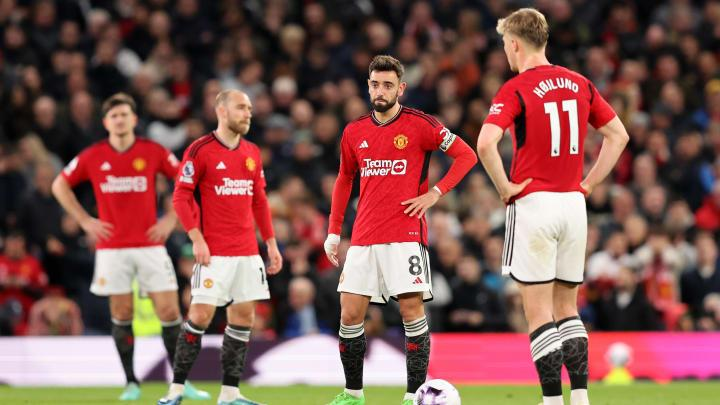
Wayne Rooney’s explosive assessment has reopened the debate about Manchester United’s recruitment strategy and the quality required to compete at the highest level.
His criticism of Sesko, Mbeumo and Cunha reflects a wider concern that United need more than promising individual signings to rebuild a title-challenging team.
The three forwards still have the opportunity to establish themselves and demonstrate that they can deliver consistently. However, their progress will depend on their own performances, tactical suitability and the quality of the team around them.
For Carrick and the club’s leadership, the task is to create a balanced squad capable of competing across an entire season.
Rooney’s message is blunt: Manchester United must raise their standards if they want to return to the top. Whether the current attacking trio can prove him wrong will be one of the key stories to follow in the Premier League.
Editorial note: Rooney’s comments are opinions expressed during a football discussion. This article distinguishes his assessment of the players from confirmed facts about their performances and the club’s transfer strategy.