








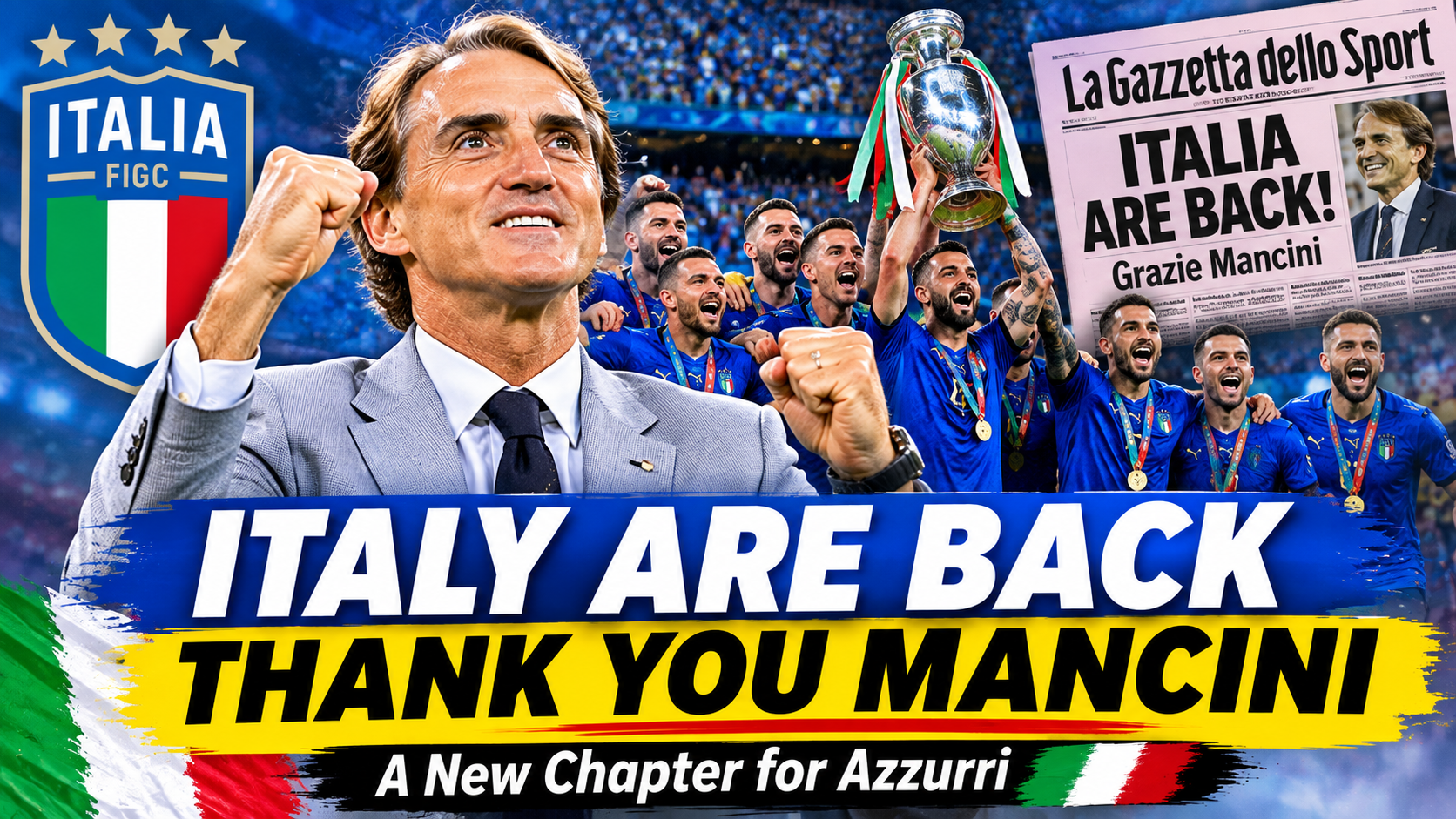
Italian football’s relationship with Roberto Mancini remains one of the most compelling stories in the national team’s modern history. The former Azzurri manager helped transform a side struggling with disappointment into European champions, restoring confidence, ambition and international respect.
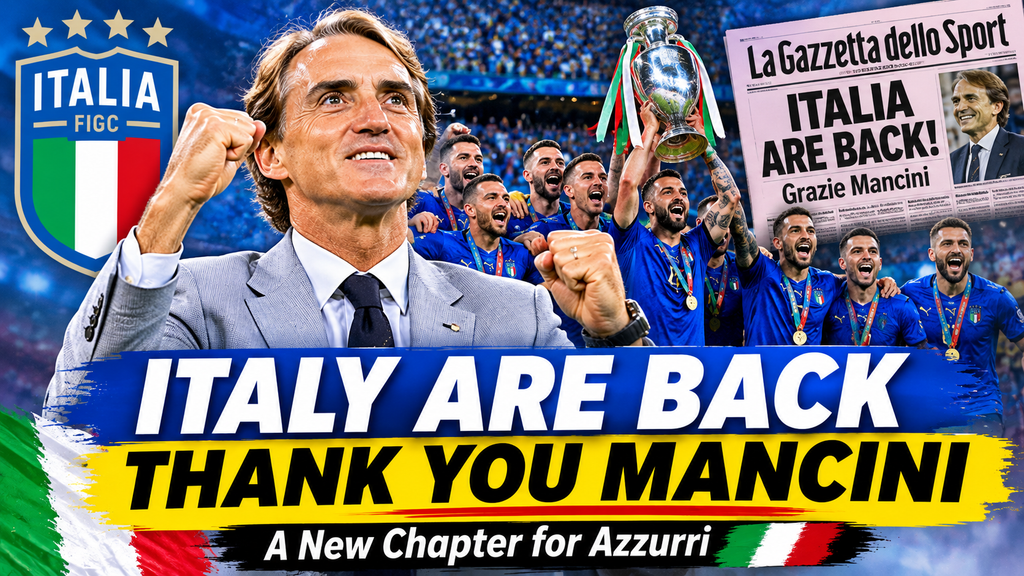
The headline “Italy are back, thank you Mancini” captures the sense of appreciation associated with that remarkable transformation.
For Italian football supporters, the words represent more than praise for a successful coach. They reflect the emotional journey of a national team that recovered from one of the most painful moments in its history to celebrate a major international trophy.
Mancini’s achievements also attracted attention far beyond Italy, including among Cambodian football supporters who follow European competitions and major international tournaments.
His influence demonstrates how tactical innovation, trust in young players and strong leadership can change the fortunes of a national team.
Italy Are Back: Why Roberto Mancini Became a Symbol of Football Revival
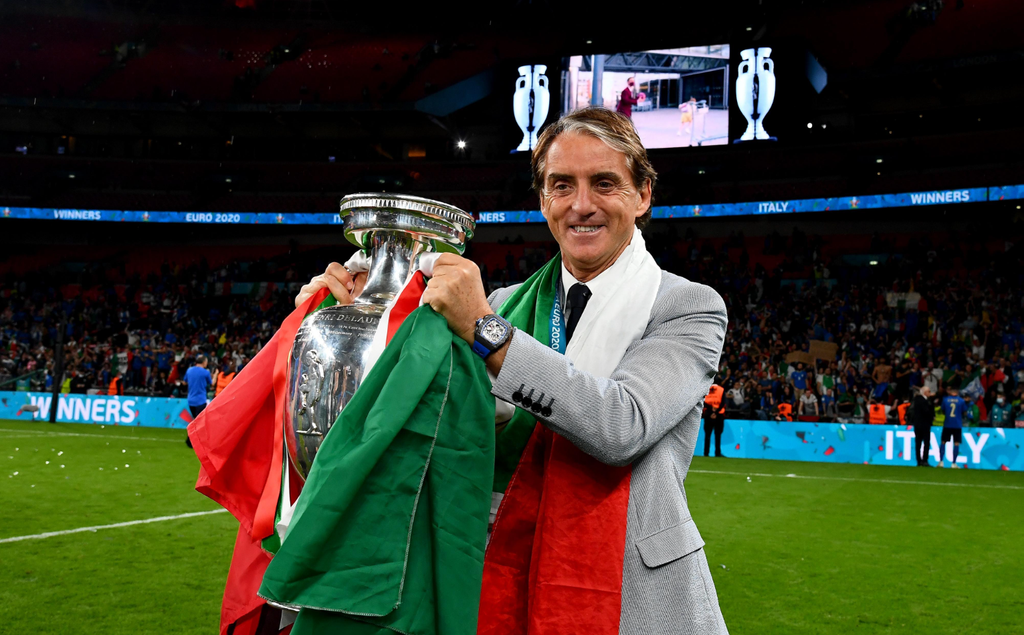
When Roberto Mancini took charge of Italy in May 2018, the national team was facing a difficult rebuilding process.
Italy had failed to qualify for the 2018 FIFA World Cup, ending a long tradition of participation in football’s biggest international competition.
The disappointment affected players, supporters and the country’s wider football community.
For a nation with four World Cup titles, missing the tournament represented a major setback.
Mancini inherited a squad requiring both tactical improvement and a renewed sense of belief.
Rather than relying entirely on established names, he introduced a more progressive playing philosophy and gave opportunities to emerging talents.
His approach focused on technical quality, intelligent movement and greater confidence in possession.
From World Cup Disappointment to European Glory
The transformation became most visible during UEFA Euro 2020, which was played in 2021 after being postponed because of the COVID-19 pandemic.
Italy entered the competition with growing confidence and produced a series of impressive performances.
The Azzurri combined disciplined defending with controlled possession and creative attacking play.
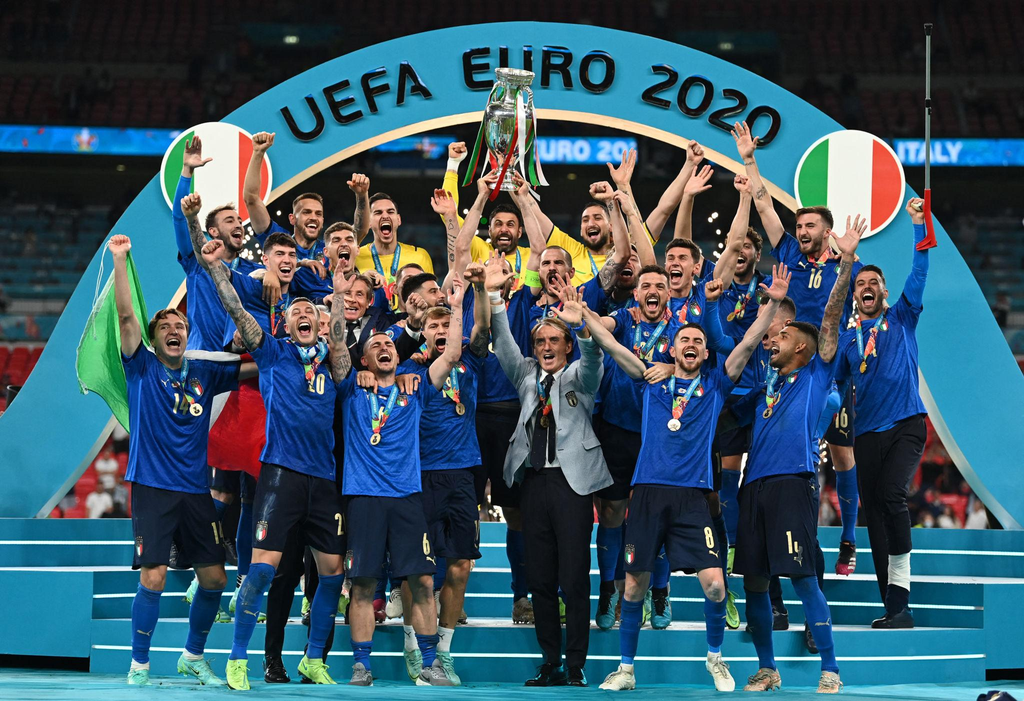
Their journey culminated in a dramatic final against England at Wembley Stadium on July 11, 2021.
After a 1–1 draw following extra time, Italy defeated England 3–2 in the penalty shootout to claim the European Championship.
The victory confirmed Mancini’s place among the most influential managers in the country’s modern football history.
| ITALY — EURO 2020 FINAL | ||
|---|---|---|
 Italy | 1 – 1 After extra time 3–2 pens |  England |
| UEFA Euro 2020 Final · Wembley Stadium · July 11, 2021 | ||
Italian Newspapers and the Meaning Behind ‘Thank You Mancini’
Italian sports newspapers have traditionally played an important role in shaping public discussion about the national team.
Publications such as La Gazzetta dello Sport, Corriere dello Sport and Tuttosport regularly analyse Italy’s performances, managerial decisions and international ambitions.
A headline celebrating Mancini reflects the importance of his contribution to the Azzurri’s resurgence.
His success was not limited to winning matches. He helped rebuild the team’s identity and encouraged supporters to believe that Italy could compete against Europe’s strongest nations.
Why Mancini Earned Respect Across Italian Football
One of Mancini’s most important achievements was creating a team that played with greater freedom and confidence.
Italy had long been associated with defensive organisation and tactical discipline.
Although those qualities remained important, Mancini encouraged a more adventurous approach.
His team attempted to control matches through possession, intelligent passing and coordinated attacking movements.
This philosophy helped Italy become more effective against opponents who were comfortable defending deep.
The approach also demonstrated that traditional Italian defensive strength could coexist with a modern attacking identity.
How Mancini Changed Italy’s Tactical Identity
Roberto Mancini’s influence extended beyond motivation and squad selection.
His tactical approach helped Italy become a more flexible and technically accomplished team.
The Azzurri frequently used a 4-3-3 formation, allowing midfielders and attacking players to exchange positions while maintaining defensive balance.
This system created opportunities for wide attackers to move inside and full-backs to advance into attacking areas.
A Midfield Built Around Possession and Creativity
Italy’s midfield was central to Mancini’s success.
Jorginho provided control and positional awareness, while Marco Verratti offered technical quality and the ability to progress possession under pressure.
Nicolò Barella contributed energy, movement and attacking support.
Together, these players helped Italy dictate the tempo of matches.
Rather than depending exclusively on counterattacks, the team became comfortable building possession from deeper positions and creating opportunities through patient combinations.
Defensive Organisation Remained a Major Strength
Although Mancini encouraged attacking football, Italy maintained the defensive discipline that has historically characterised successful Italian teams.
Experienced defenders such as Giorgio Chiellini and Leonardo Bonucci provided leadership, positioning and composure.
Their partnership proved especially important during difficult moments in major tournament matches.
Goalkeeper Gianluigi Donnarumma also played a decisive role, particularly during penalty shootouts.
Italy’s ability to combine technical creativity with defensive resilience became one of the defining features of its European Championship victory.
Mancini’s Legacy Includes Both Success and Disappointment
Despite the European Championship triumph, Mancini’s time as Italy manager was not without setbacks.
The most significant disappointment came when Italy failed to qualify for the 2022 FIFA World Cup.
A shocking 1–0 defeat against North Macedonia in March 2022 ended the Azzurri’s qualification hopes.
The result demonstrated how quickly international football fortunes can change.
Even a team that had recently conquered Europe could struggle with consistency, injuries and the pressure of crucial qualification matches.
Why Italy’s World Cup Failure Complicated Mancini’s Legacy
Missing a second consecutive World Cup created difficult questions about Italy’s development.
Some observers questioned whether the national team had become too dependent on the players who delivered European Championship success.
Others highlighted broader challenges within Italian football, including the development of young attacking players and the opportunities available to domestic talent.
Mancini eventually resigned as Italy manager in August 2023.
His departure marked the end of a period that combined remarkable achievements with painful disappointments.
Nevertheless, the Euro 2020 title remains an important part of his legacy.
What Italy’s Football Revival Means for the Next Generation
Italy’s long-term international ambitions depend on developing players capable of competing against the world’s strongest national teams.
Mancini demonstrated the value of giving opportunities to younger footballers and creating a tactical system that maximised their strengths.
That lesson remains relevant regardless of who manages the Azzurri.
Young players need opportunities to develop confidence, experience international competition and understand the tactical responsibilities associated with representing Italy.
Building a Sustainable Football Identity
A successful national team requires more than talented individuals.
Coaches must establish clear principles that players can understand and execute under pressure.
For Italy, those principles have traditionally included defensive organisation, technical quality and collective responsibility.
Mancini’s contribution was to demonstrate that these qualities could support a more ambitious attacking approach.
Future generations can build on that foundation while adapting to changes in international football.
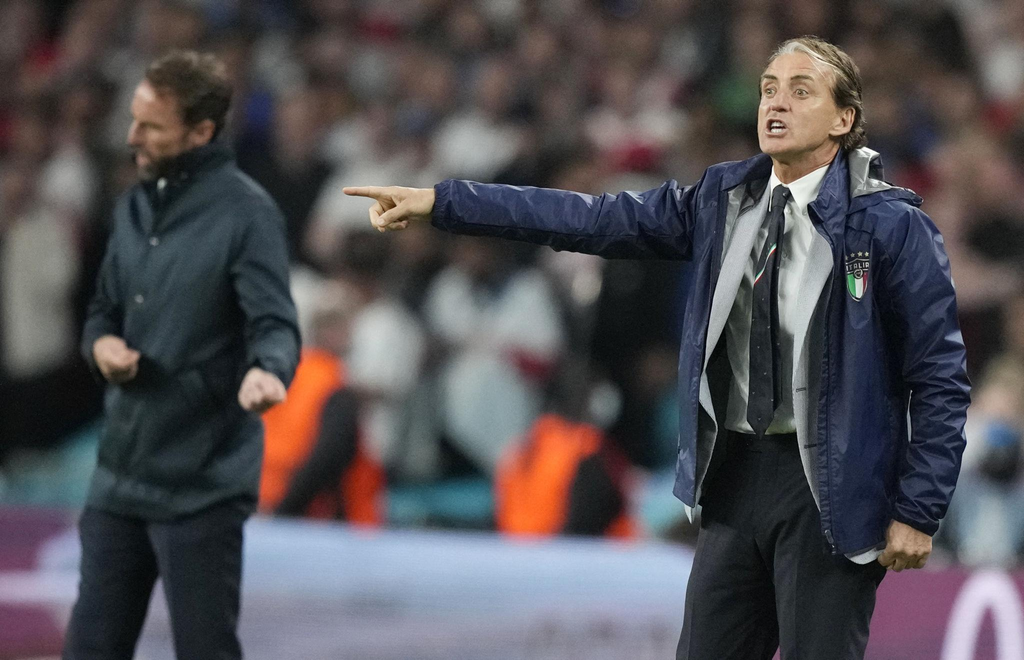
Why Cambodian Football Fans Can Appreciate Mancini’s Achievements
European football has a passionate audience in Cambodia, with supporters regularly following international tournaments, major club competitions and the performances of leading national teams.
Italy’s journey under Mancini provides an interesting example of how a team can recover from disappointment through tactical improvement and collective determination.
For Cambodian supporters, the Azzurri’s Euro 2020 triumph remains one of the most memorable international football stories of recent years.
The victory also highlights the importance of leadership and team chemistry.
Italy did not rely entirely on one superstar. Instead, the squad succeeded through cooperation, tactical understanding and contributions from players across different positions.
Lessons From Italy’s Rebuilding Process
The experience offers several valuable lessons for football teams at different competitive levels.
First, a clear tactical philosophy helps players understand their responsibilities.
Second, experienced leaders can provide stability while younger players develop.
Third, confidence and teamwork are essential during difficult periods.
Finally, long-term success requires continuous improvement, even after winning a major trophy.
These principles remain relevant to both international football and domestic competitions.
Final Verdict: Why Italian Football Still Owes Mancini Recognition
The phrase “Italy are back, thank you Mancini” reflects the admiration associated with one of the Azzurri’s most memorable modern achievements.
Roberto Mancini inherited a national team recovering from World Cup qualification failure and transformed it into European champions.
His attacking philosophy, trust in technical players and emphasis on team unity helped restore Italy’s confidence on the international stage.
Although the failure to qualify for the 2022 World Cup complicated his legacy, it did not erase the significance of his European Championship triumph.
Mancini’s greatest contribution was demonstrating that Italy could preserve its traditional football strengths while embracing a more creative and ambitious playing identity.
For Italian supporters and football fans in Cambodia, his achievements remain a powerful reminder of how effective leadership can transform a struggling team into champions.
Frequently Asked Questions
Why do Italian newspapers say “Italy are back, thank you Mancini”?
The phrase expresses appreciation for Roberto Mancini’s role in rebuilding Italy’s national team and restoring its competitiveness after the disappointment of missing the 2018 FIFA World Cup.
What did Roberto Mancini win with Italy?
Mancini guided Italy to victory at UEFA Euro 2020, defeating England in the final at Wembley Stadium in July 2021.
When did Roberto Mancini become Italy manager?
He was appointed Italy national team manager in May 2018.
Why did Roberto Mancini leave the Italy national team?
Mancini resigned in August 2023, ending his tenure after more than five years in charge.
Did Italy qualify for the 2022 FIFA World Cup?
No. Italy failed to qualify after losing 1–0 to North Macedonia in the European qualification play-offs in March 2022.
What tactical formation did Mancini use with Italy?
Mancini frequently used a 4-3-3 formation that emphasised midfield possession, attacking movement and disciplined defending.