









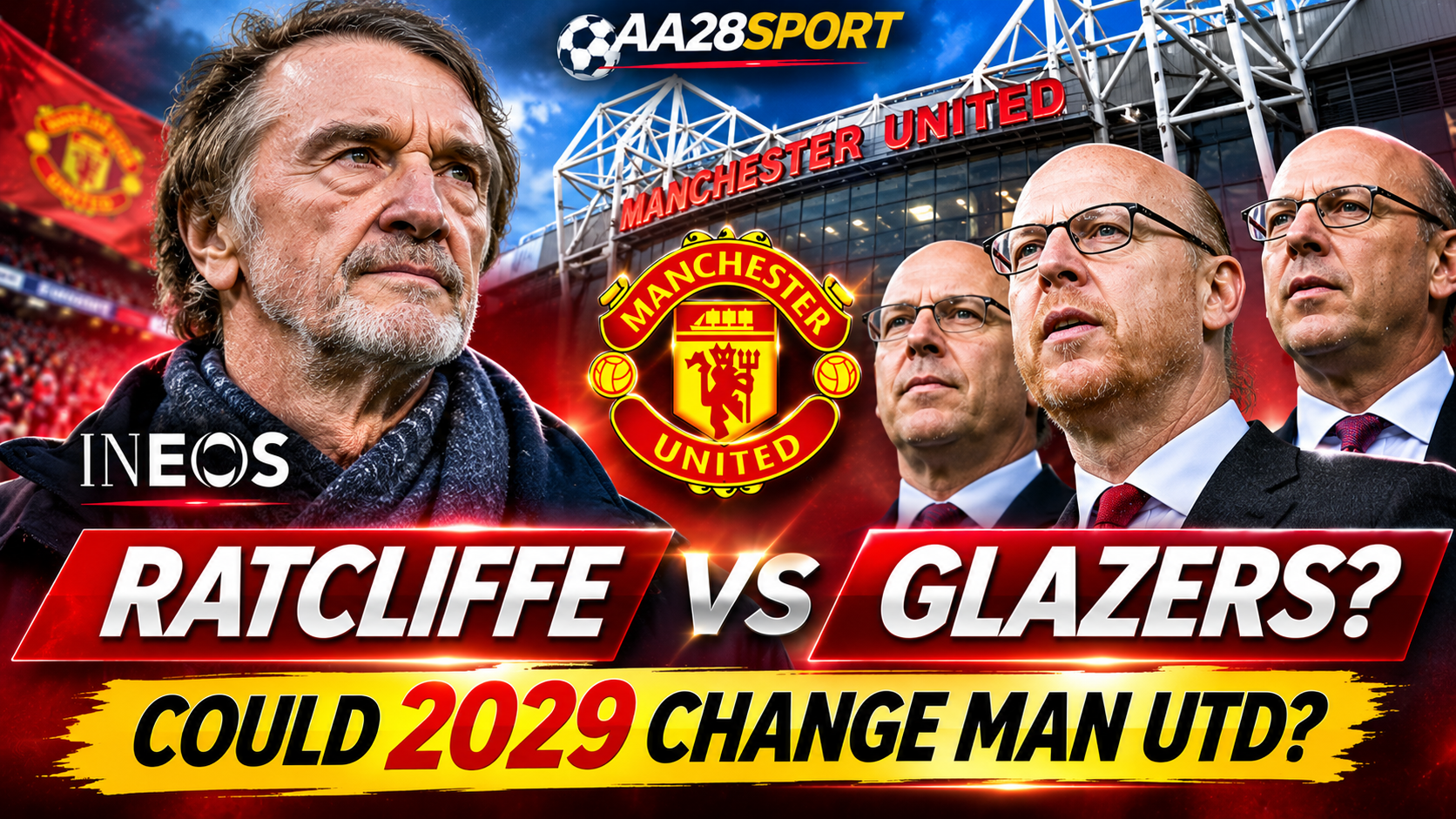
The future ownership of Manchester United could reach a turning point in 2029, with Sir Jim Ratcliffe potentially having a clearer financial route to challenge the Glazer family’s control of the club.
Ratcliffe, the British billionaire and INEOS chairman, became a major shareholder in 2024 and took responsibility for the club’s football operations. However, the Glazer family retained majority voting power, leaving United with a shared ownership structure that has continued to frustrate many supporters. sec.gov+2
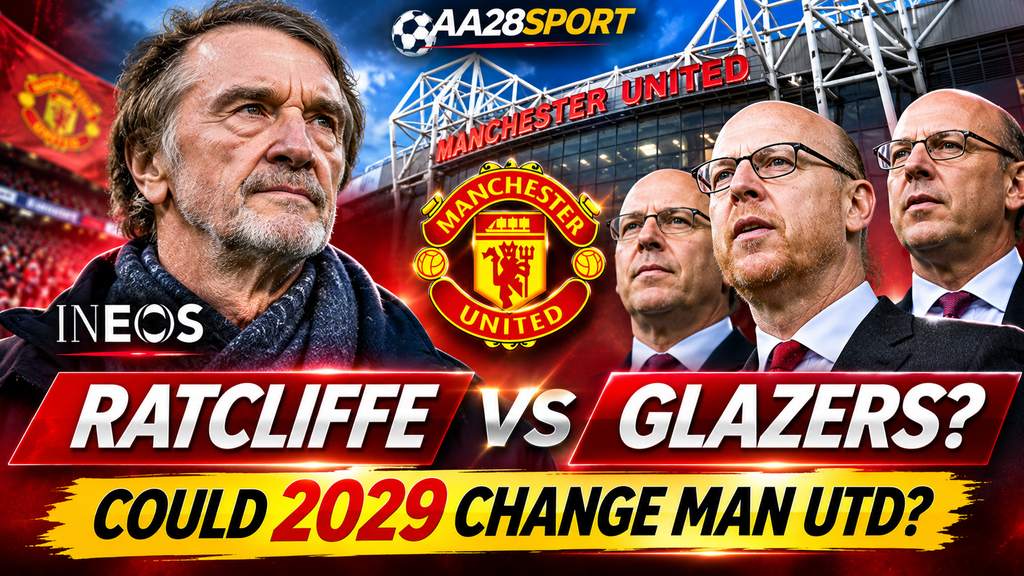
A recent report suggests that Manchester United’s debt arrangements and plans for a potential new stadium could make the second half of 2029 a significant period for a possible change in control. It is an important distinction, though: 2029 is a potential financial window, not a confirmed takeover date. No completed deal to buy out the Glazers has been announced. Yahoo Sports+1
For Manchester United fans in Cambodia and around the world, the central question is whether Ratcliffe can turn his existing influence over football operations into full ownership—and whether that change would finally put the club on a more sustainable financial footing.
Jim Ratcliffe and the Glazers: Understanding the Ownership Structure
How Ratcliffe became a major shareholder
Ratcliffe’s investment followed a prolonged ownership process that began when the Glazers announced a strategic review in November 2022. After negotiations and competing proposals, Manchester United announced an agreement in December 2023 for Ratcliffe to acquire a stake of up to 25%, alongside additional investment intended to support the club. The Premier League approved the transaction in February 2024. sec.gov+2
The agreement gave INEOS responsibility for the club’s football operations, including the men’s and women’s teams and academy structures. This created a division between sporting management and ultimate shareholder control: Ratcliffe could influence football decisions without becoming the majority owner of Manchester United plc.
Why the Glazers still matter
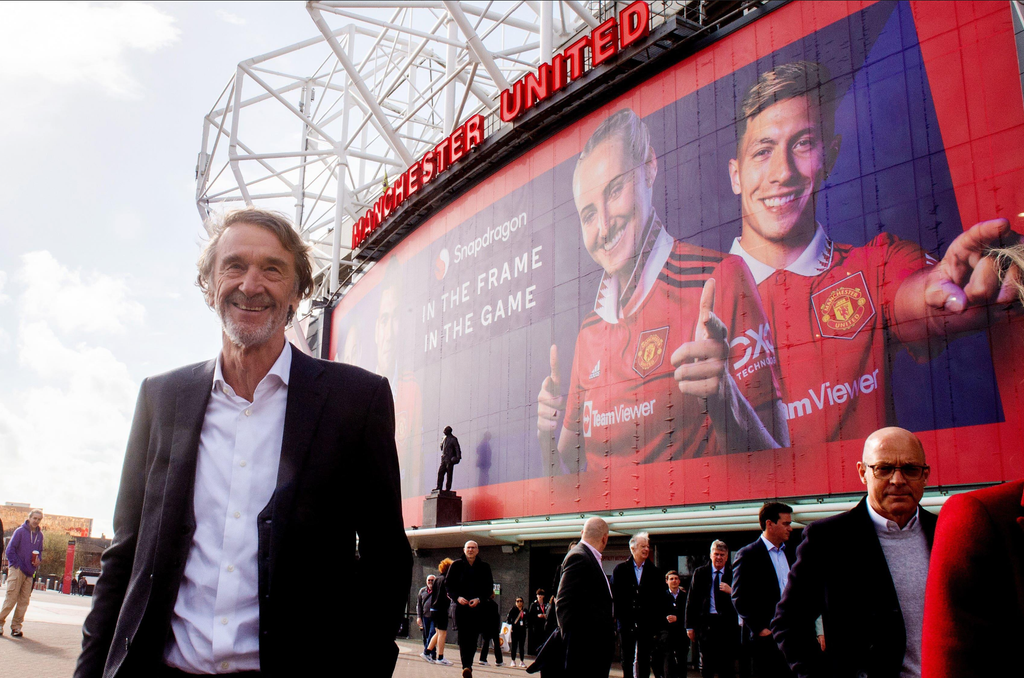
Manchester United’s ownership structure is more complicated than simply counting shares. The Glazer family holds a majority of the club’s voting power through its shareholding, while INEOS holds a substantial minority position. The club’s 2026 annual report lists the Glazer parties with approximately 67.91% of voting power and INEOS with approximately 28.95%. sec.gov+1
That distinction is crucial. Ratcliffe can oversee football operations, but a full takeover would require a separate transaction and agreement on the terms of ownership. The Glazers’ willingness to sell, the valuation of the club, financing arrangements and relevant corporate approvals would all influence whether a deal could happen.
For supporters who want a complete change in ownership, 2029 is therefore a date to watch—not a guarantee that the current structure will end.
Why 2029 Could Be a Crucial Year
1. Manchester United’s debt could become easier to refinance
The strongest clue comes from the club’s financing arrangements. Reporting published in late October 2026 highlighted a $550 million (£411 million) loan-note package agreed as part of a refinancing process in June, alongside other borrowing commitments. The terms include provisions linked to a future stadium-financing event, potentially allowing the $550 million notes to be repaid at face value without an early repayment penalty from June 10, 2029. Yahoo Sports+1
This matters because refinancing can change how much financial flexibility a club has. If Manchester United can restructure existing borrowing on more favourable terms, it could have greater scope to finance major infrastructure projects or consider a change in its ownership structure.
However, refinancing debt does not automatically mean buying out the Glazers. It would be one part of a much larger financial and corporate transaction.
2. A new stadium could reshape the club’s finances
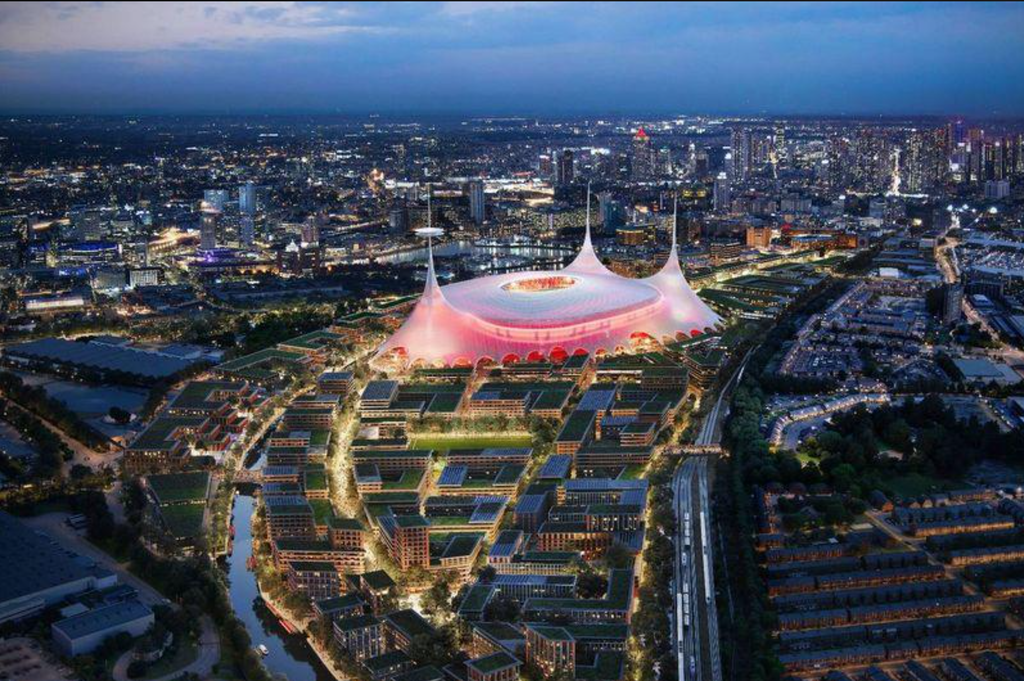
Manchester United has considered a major redevelopment of its home ground or the construction of a new stadium with a proposed capacity of around 100,000. Such a project would be expensive, with estimates discussed in recent reporting reaching approximately £2 billion to £3 billion. Yahoo Sports+1
A stadium project could become an important part of the ownership conversation because it would require substantial long-term funding. The refinancing terms reportedly provide more flexibility for certain borrowing arrangements from June 2029, potentially creating an opportunity to combine stadium financing with the restructuring of existing debt.
The challenge is that a new stadium would require careful planning, credible funding and a realistic assessment of future revenues. Manchester United would have to balance its ambitions for modern facilities against the cost of servicing debt and investing in the squad.
3. The second half of 2029 may offer a financial window
The reported timeline is linked to more than one financial deadline. The $550 million loan notes have a key stadium-related repayment provision from June 10, 2029, while Manchester United’s revolving credit facility—used to help manage cash flow—was reported to be due to expire on December 31, 2029. The club’s existing borrowing restrictions could also limit its ability to raise enough new debt for a stadium project before refinancing. Yahoo Sports+1
These factors help explain why the second half of 2029 has attracted attention. It could be a natural period for United to review its debt, refinancing options and long-term capital needs.
Financial flexibility, however, is not the same as having the money or the agreement needed for a takeover. Any proposal to acquire the Glazers’ remaining stake would still depend on the price, financing, shareholder arrangements and willingness of the parties to proceed.
What Would Ratcliffe Need to Buy Out the Glazers?
A potential full takeover would involve several major hurdles.
Agreeing on the price
The first challenge would be valuation. Manchester United is a globally recognised football business, with commercial, broadcasting and matchday revenues, but it also carries significant borrowing and faces substantial spending requirements.
Ratcliffe and INEOS would need to determine what the remaining shares are worth and whether purchasing them would make financial sense. The Glazers would also need to accept the terms—or an alternative transaction would have to emerge.
Securing financing without destabilising the club
A purchase of the remaining ownership stake would require significant capital. Ratcliffe could explore a combination of personal investment, INEOS resources, external financing or other permitted structures, but no specific funding package for a 2029 buyout has been confirmed.
A responsible transaction would need to consider the club’s existing debt, stadium investment and ongoing football costs. Supporters will want to know whether new ownership would reduce financial pressure rather than simply move it elsewhere.
Navigating shareholder and governance arrangements
Manchester United is a publicly listed company, and its ownership is governed by formal share classes, voting rights and agreements between shareholders. The club’s filings describe rights and conditions that may apply to a full sale and to the relationship between the Glazer and INEOS parties. sec.gov+1
Any takeover would need to follow the relevant agreements and applicable regulatory requirements. The precise route Ratcliffe might pursue in 2029 remains uncertain.
What Could a Change in Ownership Mean for Manchester United?
A change in majority ownership could have implications beyond the boardroom. Supporters have long raised concerns about debt, stadium investment and the club’s long-term direction. A new ownership arrangement could provide an opportunity to reassess those priorities, but it would not automatically solve them.
Three areas would be particularly important:
- Financial sustainability: Reducing pressure from existing borrowing and ensuring that future investment is affordable.
- Stadium development: Establishing a credible plan for Old Trafford or a new ground without undermining football spending.
- Football strategy: Giving the manager, recruitment department and academy a consistent long-term plan.
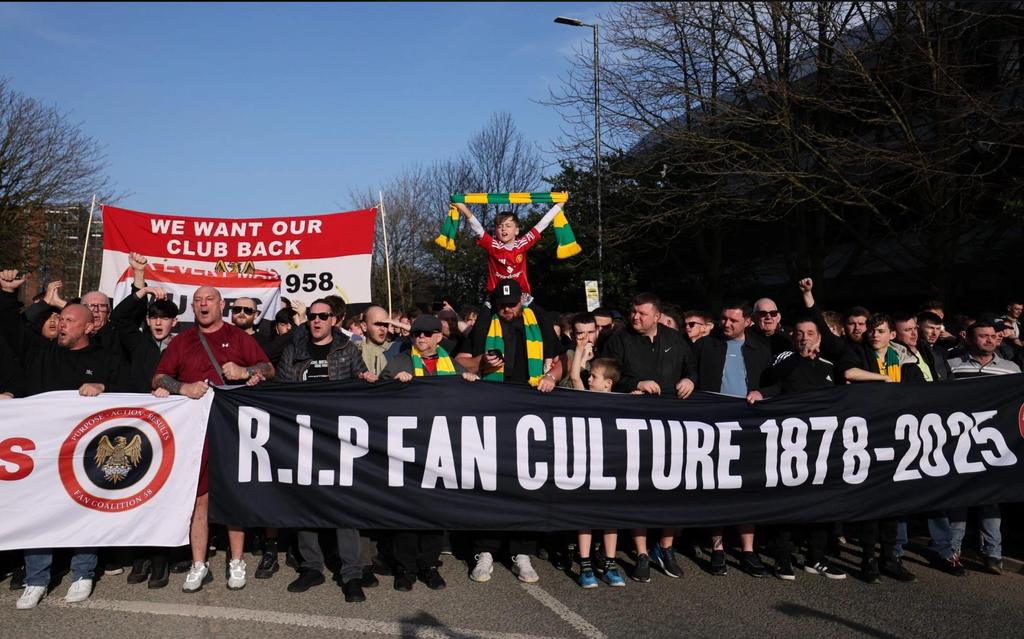
For Cambodian supporters who follow United through Premier League broadcasts, the key issue is not just who owns the club. It is whether the leadership can build a competitive team, invest wisely and restore confidence through consistent decision-making.
Final Verdict: Is 2029 the End of the Glazer Era?
The second half of 2029 could become an important moment in Manchester United’s ownership story. Reported loan terms, the potential need to refinance existing debt and the scale of a possible stadium project create a plausible financial reason for the club to review its capital structure around that time. Yahoo Sports+1
Yet there is a substantial difference between a possible opportunity and a confirmed takeover. Ratcliffe would still need a workable funding plan, an acceptable deal and a path through the club’s shareholder and governance arrangements. The Glazers’ intentions also remain a decisive factor.
AA28SPORT verdict: 2029 may open a clearer route for Ratcliffe to pursue greater control of Manchester United, but a full buyout is not guaranteed. Until a formal agreement is announced, fans should treat the timeline as a developing financial possibility rather than a confirmed end date for Glazer ownership.