










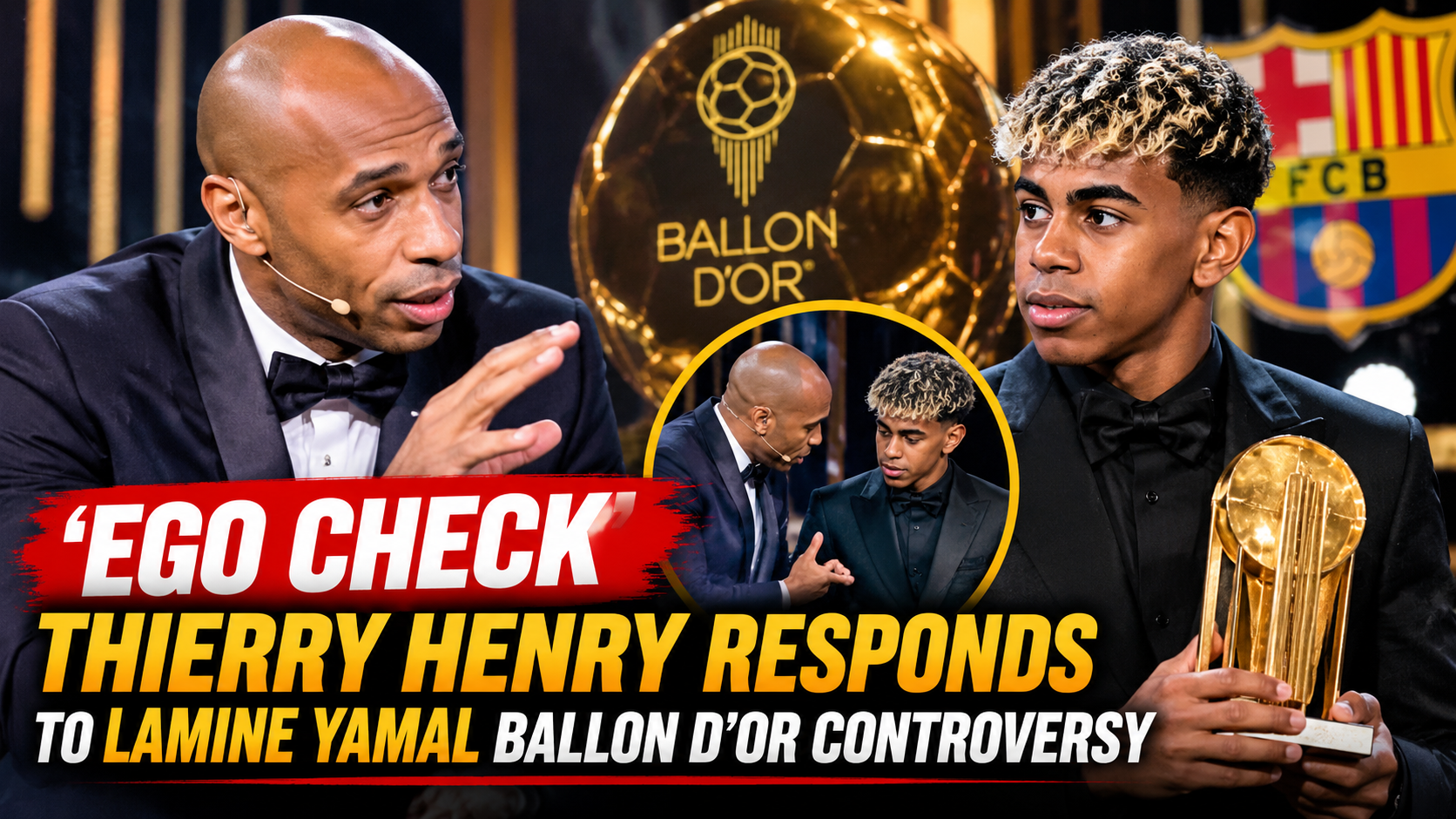
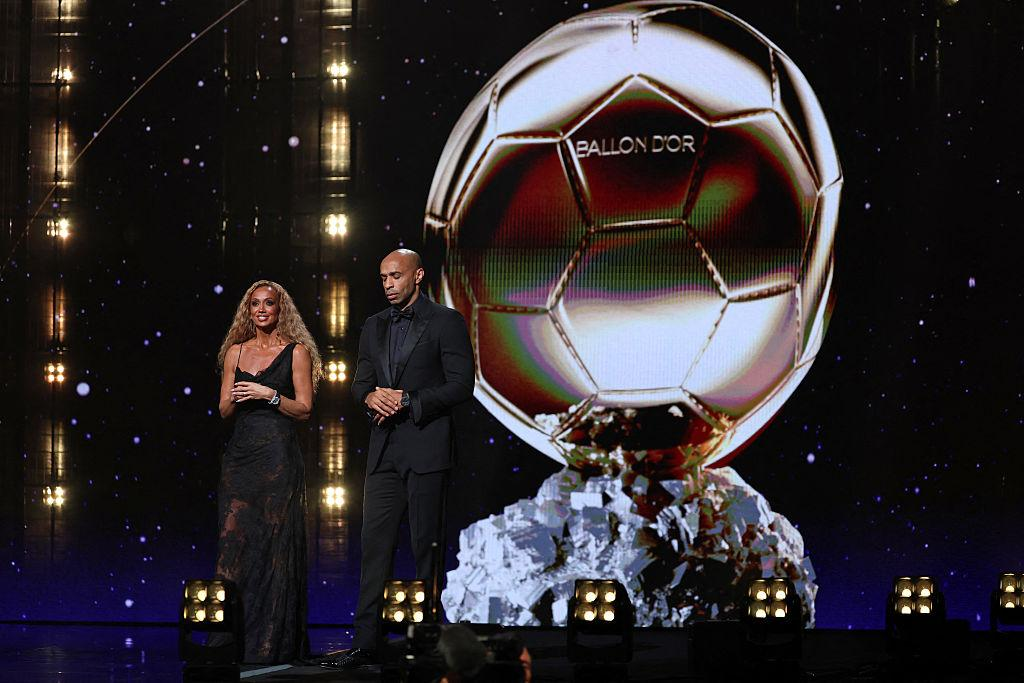
Thierry Henry has defended his comments to Barcelona star Lamine Yamal during the 2026 Ballon d’Or ceremony, insisting that his remarks were intended as a joke rather than an attempt to challenge the young winger’s ego. The former Arsenal and France striker addressed the criticism after his on-stage exchange with Yamal sparked debate among football fans, highlighting the growing attention surrounding one of world football’s brightest young talents.
Thierry Henry Explains His Controversial Exchange With Lamine Yamal
Thierry Henry has responded to the reaction surrounding his interaction with Lamine Yamal at the 2026 Ballon d’Or ceremony, rejecting suggestions that he intended to embarrass the Barcelona forward.
The controversy began when Yamal collected the Kopa Trophy, an award recognising the outstanding young player in world football. After congratulating the Spanish international, Henry asked whether the trophy was really the prize Yamal wanted most that evening.
The question referred to the Ballon d’Or itself, football’s most prestigious individual award, for which Yamal was among the players attracting attention.
While some viewers interpreted the exchange as a light-hearted joke about the teenager’s ambitions, others felt that the remark was unnecessary and placed the young star in an uncomfortable position on a major stage.
Henry subsequently addressed the criticism in a video shared on social media. He explained that his question was motivated by the fact that Yamal had won the Kopa Trophy for the third consecutive time.
The French football legend stressed that he was not attempting to put Yamal in his place or question his personality.
Instead, Henry wanted to highlight the difference between another young-player award and the main individual prize that Yamal was hoping to win.
Lamine Yamal’s Third Kopa Trophy Highlights His Extraordinary Rise
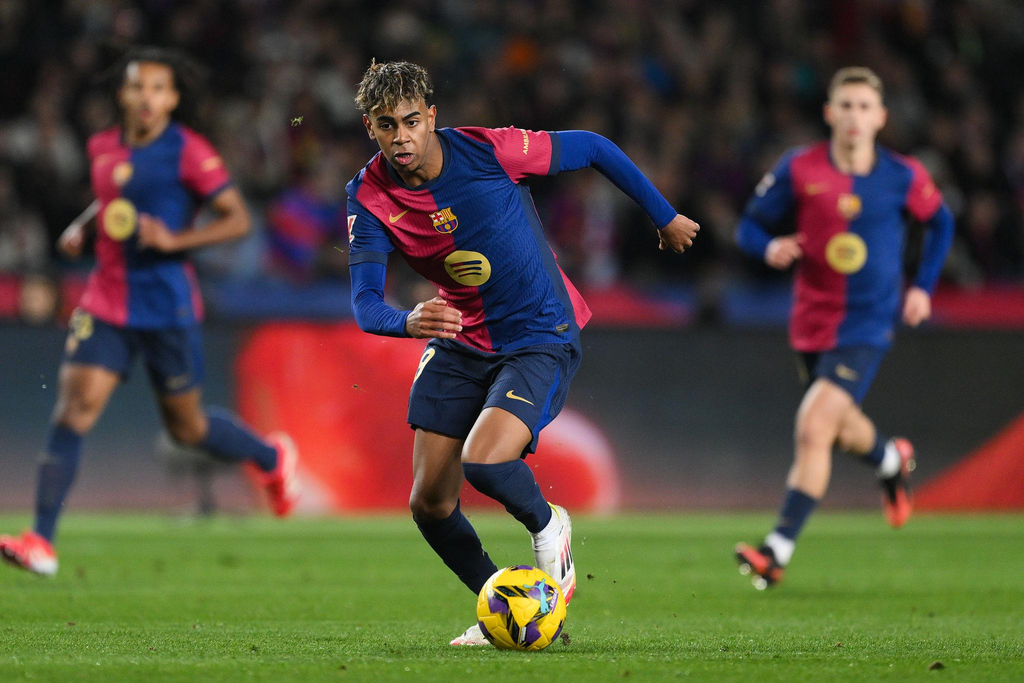
Yamal’s continued success at the Ballon d’Or ceremony underlines the remarkable progress he has made since emerging from Barcelona’s youth system.
The Spanish winger has developed into one of the most exciting attacking players in European football, earning recognition for his creativity, close control, vision and ability to influence matches against elite opposition.
His performances have also generated considerable discussion about his long-term potential and whether he could eventually become a serious contender for the Ballon d’Or.
Winning the Kopa Trophy for a third consecutive time represents another significant achievement in a career that began attracting international attention at an exceptionally young age.
However, the attention surrounding Yamal also illustrates the challenges that come with becoming a global football star before reaching his twenties.
Every performance, public appearance and interview can generate intense reactions across social media. Even a brief exchange during an awards ceremony can become a major talking point when it involves one of the sport’s most recognisable young players.
For Barcelona supporters, Yamal’s development remains an important storyline as the club continues to build around its talented younger generation.
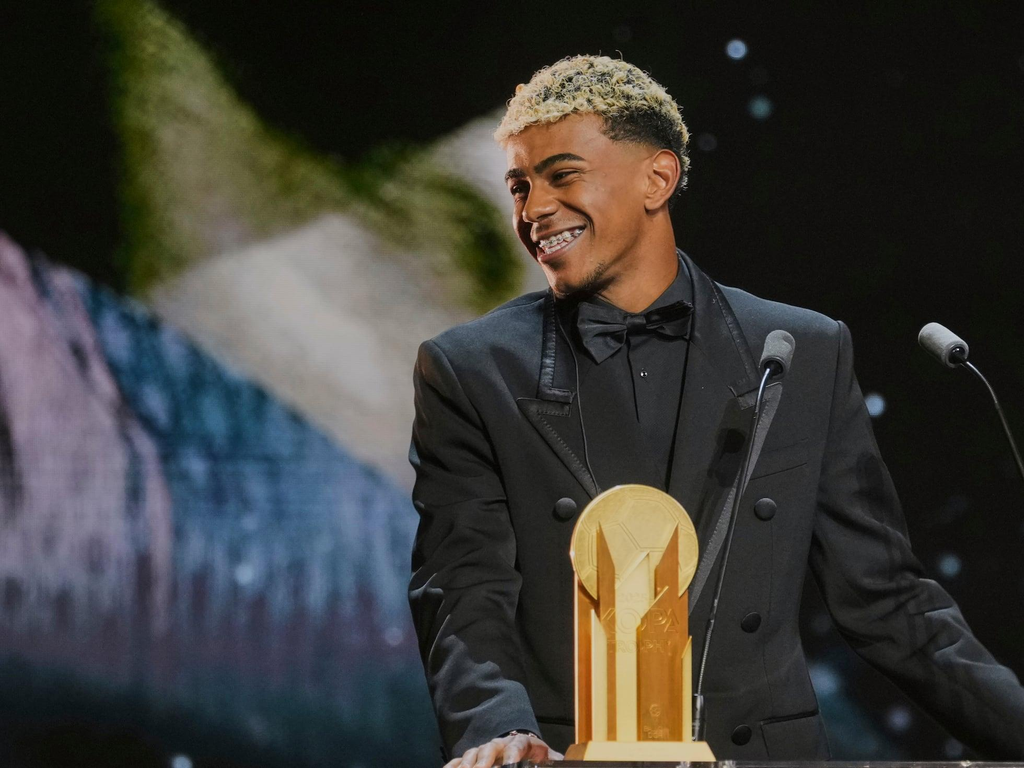
“I Wasn’t Checking His Ego,” Henry Insists
Henry’s response focused on the intention behind his question rather than the way some viewers interpreted it.
The former Arsenal captain explained that he was a big admirer of Yamal and enjoyed watching him play. He also acknowledged that not everyone would appreciate the humour, while maintaining that the comment was never meant to be disrespectful.
Henry made it clear that he regarded the Barcelona winger as a player worth watching and wanted to emphasise his admiration for the teenager’s ability.
His explanation reflects the difference between a joke intended to create a light-hearted moment and a remark that audiences interpret differently when viewed outside its original context.
In modern football, short video clips can quickly circulate without the full conversation surrounding them. Reactions may become divided before the people involved have an opportunity to explain what they meant.
That dynamic has made the relationship between football personalities, broadcasters and social media audiences increasingly complicated.
For Henry, the central message was straightforward: he respected Yamal and did not intend to challenge the youngster’s confidence or attitude.
Ballon d’Or Debate Adds Pressure to Yamal’s Ambitions
The exchange also highlighted the growing expectations surrounding Yamal’s future at the highest level of football.
The Ballon d’Or is awarded to an outstanding individual performer, but winning it usually requires more than technical ability alone. Consistent performances, major trophies, decisive contributions and sustained excellence all contribute to the wider conversation.
Yamal has already demonstrated that he can compete with experienced international stars. Nevertheless, the discussion surrounding his prospects illustrates how quickly expectations can rise when a young player achieves success early in his career.
For Barcelona, managing that attention will be an important part of helping him continue his development.
The club will want Yamal to maintain his confidence, improve his decision-making and contribute to collective success without allowing outside pressure to become a distraction.
At the same time, supporters should recognise that even exceptional young footballers need time to develop. Individual awards can celebrate progress, but they do not determine the entire direction of a player’s career.
Whether Yamal eventually wins the Ballon d’Or will depend on his performances over multiple seasons, the success of his teams and his ability to maintain an elite level consistently.
Henry Also Addresses Criticism Over Co-Host Kate Scott
The controversy surrounding Henry’s presentation extended beyond his interaction with Yamal.
During the ceremony, Henry also exchanged remarks with co-host Kate Scott about the pronunciation of the name Sócrates, the late Brazilian football icon whose name is associated with the Socrates Award.
Some viewers interpreted Henry’s response as dismissive, prompting further criticism of his presenting style.
Henry subsequently explained that Scott had been involved in the joke and that he had not intended to disrespect his colleague. He asked critics to stop portraying the exchange as a personal slight.
Scott also publicly supported his explanation, indicating that she had not considered the interaction disrespectful.
The incident added another layer to the wider debate about the tone of the ceremony and how humour between presenters is received by viewers.
Although presenters are expected to keep major sporting events entertaining, the reactions demonstrated how different audiences can interpret the same moment in different ways.
For Henry, clarifying his intentions became necessary as discussion of the ceremony moved beyond football and into questions about professionalism and public behaviour.
Harry Kane’s Ballon d’Or Victory Provides Another Talking Point
Henry also addressed comments about Harry Kane, who won the men’s Ballon d’Or at the ceremony.
The former France international had previously expressed support for fellow Frenchman Kylian Mbappé, leading some observers to question his position following Kane’s victory.
Henry explained that supporting a compatriot was natural, but he also praised Kane and described the England striker as a worthy winner.
He highlighted Kane’s work ethic and dedication, reinforcing the idea that sustained hard work is an essential part of success at the highest level.
Kane’s achievement provided another major talking point from the ceremony, while Henry’s explanation attempted to separate national preference from respect for an individual winner.
The episode also demonstrated how football legends can find themselves at the centre of public debate even when their primary role is to analyse or present the sport.
What the Controversy Means for Barcelona and Football Fans
For Barcelona supporters, the most important takeaway is that Yamal remains a major figure in the future of the club and Spanish football.
The debate surrounding Henry’s remarks may generate headlines, but it does not change Yamal’s achievements or determine what he can accomplish in the coming seasons.
His immediate priorities remain performing consistently, helping Barcelona compete for major trophies and continuing to develop as a complete footballer.
For Cambodian football fans following European football, the incident offers an interesting reminder that football conversations extend beyond the pitch. Individual awards, public expectations and media personalities can become part of the wider story surrounding a player.
Henry’s comments have also reinforced the importance of context when interpreting public exchanges. A joke may be intended to entertain, yet still generate disagreement among viewers who see the moment differently.
Ultimately, Yamal’s career will be judged by his performances over time rather than a single conversation at an awards ceremony.
Final Verdict: Henry Defends His Intentions as Debate Continues
Thierry Henry has firmly rejected the suggestion that he was attempting to check Lamine Yamal’s ego during the 2026 Ballon d’Or ceremony.
He explained that his question was a light-hearted reference to Yamal’s third consecutive Kopa Trophy and the teenager’s ambition to win the main award. Henry also reiterated his admiration for the Barcelona star while addressing criticism surrounding his exchanges with Kate Scott and his comments about Harry Kane.
The episode has generated discussion about humour, public expectations and the intense scrutiny facing modern football personalities.
For Yamal, the bigger challenge remains translating his exceptional potential into sustained success at club and international level. His achievements have already established him among the most closely watched young players in the game.
As the debate continues, football fans will be watching his performances on the pitch far more closely than any exchange on an awards stage.